Oz Daylesford Foto Biennale 07 – call for proposals

The Daylesford Foto Biennale 07, which runs in June 2007 in New Zealand Australia, is calling for proposals from independent curators, photographers and photographic artists working in traditional and photo-based new media. Proposals are also invited for photographic workshops, seminar presentations and associated photographic events. Closing date for proposals is June 30th 2006. You can download proposal information and criteria from the website, www.daylesfordfotobiennale.org or call the DFB office on +64 +61 [03] 5348 5703, or email to info@daylesfordfotobiennale.org.

Via GRINZ (With this rash of interesting stuff coming from them, you might be getting the idea that they rock. You would be correct.)
Photographic Practice: An Exploration into the Working Methods of Five New Zealand Photographers

This exhibition [a research project by Frankie Rouse MDes, BDes (Hons)] presents a series of photographs with excerpts from interviews following an in-depth study into the working methods of five New Zealand photographers. The photographers’ creative process is explored in relation to individual backgrounds, working environments, sourcing and development of concepts and final usage, production and display of works. At the Wellington Arts Centre Gallery (61–69 Abel Smith Street) until Saturday the 20th of May. Open Monday–Friday, 9am–7pm and Saturday 10am–4pm.

Via GRINZ

Sebastião Salgado’s Antarctica

Check out legendary Brazilian photojournalist Sebastião Salgado‘s gallery of photos from Antarctica at Rolling Stone’s Web site.

Salgado’s photojournalistic rendering of the landscapes and animals in high-contrast black and white is refreshing and effective. It’s not often that you see great landscape work that goes for the throat while still expressing the character of a place and isn’t obsessed with tonal range. I’ve been wanting to shoot Antarctica for a while now and this has only added fuel to the fire.

View photographs at Rolling Stone

Via GRINZ

Auckland North Shore National Salon of Photography 2006

Entries are now invited to this annual prestigious NZ photographic competition, organised by a sub-committee of the North Shore Photographic Society. Subjects are ‘Open’ and ‘Fantasy’, and may be in print or slide, monochrome or colour. All award-winning prints, approximately 120, will be on display at the Aotea Centre, Auckland, 12–28 July. The top slides will be shown as an Audio Visual presentation at the Society’s Clubrooms in Takapuna on 9 August. For an Entry Form, download this PDF or email jean.moulin[AT]xtra.co.nz (replace [AT] with @).

Entries close 16 June, 2006, at 5pm.

Via GRINZ

World War II pinhole photographer dies

Terence Sumner Kirk, a former World War II prisoner of war who built a pinhole camera from cardboard scraps and used smuggled-in photo supplies to snap photographs of fellow malnourished Marines, has died. He was 89.

Risking a certain death sentence if he was caught by Japanese soldiers, Mr. Kirk built a pinhole camera from scraps of cardboard and used smuggled-in photo supplies to snap priceless photographs of prison life so the horrors could not be forgotten.

Continue reading at the Fort Worth Star-Telegram

Kirk wrote a book about his experience, The Secret Camera, which is available for US $30 from Owl Wise Publishing.

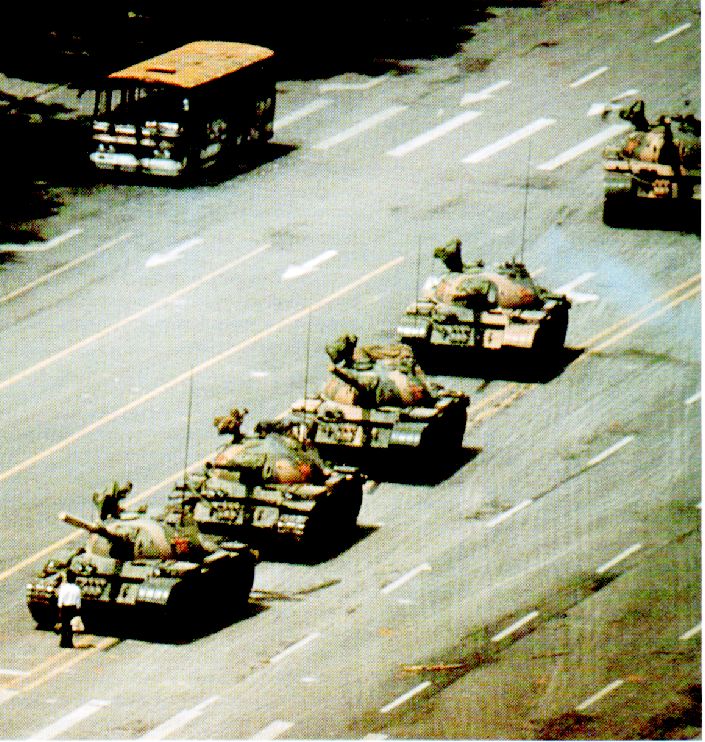
This is exactly why photography isn’t only good for art or family keepsakes, but can have a huge social impact. Don’t you think that Holocaust-deniers would have an easier time of it without photography? The officers who beat Rodney King? Tiananmen Square? The right to photograph and video is important!

Via Pinhole Visions

Awesome implications of ISO 24,000 film

Yesterday, I posted (well, lifted Oren Grad’s post from The Online Photographer) about an ultra high-speed ISO 24,000 B&W reversal film emulsion that Kodak have developed, but one implication didn’t hit me until today: if released commercially, it would allow handheld pinhole photography at normal shutter speeds.

An aperture of f/185 gives you a shutter speed between 1/125 and 1/250 second in about a half stop under full sun, and you’d have an even wider range of choices with zone plates or photon sieves, whose aperture equivalents are larger.

This opens up a lot of possibilities that didn’t really exist before: tripod-free shooting, flash (including fill flash), precision exposure control with normal shutters, and a whole world of candid/documentary and indoor and outdoor stop-motion photography.

While I generally like the slower shooting experience of pinhole photography, sometimes it’s just annoying, and sometimes it outright prevents me from getting the shots I want.

I’m really excited by the possibility of more creative choices. Bring it on, Kodak!

ISO 24,000(!) film developed by Kodak

Oren Grad’s entire post from The Online Photographer:

No, that’s not a typo. This week at the International Congress of Imaging Science in Rochester, NY, Kodak researchers presented a new silver halide emulsion that is thermally developed to produce a positive image at speeds of up to ISO 24,000. You can read the conference abstract here.

Kodak is currently seeking to determine whether there is sufficient demand for such a film to justify a trial production run. More in this thread over at APUG, including instructions on how to communicate your interest to Kodak.

Via The Online Photographer

Minolta 35mm to digital conversion how-to

I started out with a Minolta from 94′ or so that had a busted something or other. I also had a QuickCam express usb camera that would give us our ccd. After dissembling the quickcam with one screw and cutting the shutter from the Minolta we had done most of the work. Also we lost our IR filter when we ditched the old quickcam lens, so for now we get that sweet halo effect for free.

Read tutorial at how2.0

Via MAKE Blog

NJ lawmaker wants to criminalize photographing utitlties and airports

Chris says, "A lawmaker in New Jersey is pushing a bill that would make it a crime to photograph or videotape power plants, sewage facilities, etc."

The state Senate Law and Public Safety Committee is expected to discuss a bill today which would make it a crime—punishable by up to 18 months in jail—to photograph, videotape or otherwise record for an extended period of time a power generation, waste treatment, public sewage, water treatment, public water, nuclear or flammable liquid storage facility, as well as any airport in the state.

At the very least, it will allow law enforcement officials across the state to detain the individual or confiscate any recorded materials to further their investigation, according to state Sen. Fred Madden, D-4 of Turnersville, who is the bill’s sponsor.

Continue reading at NJ.com

Via Boing Boing